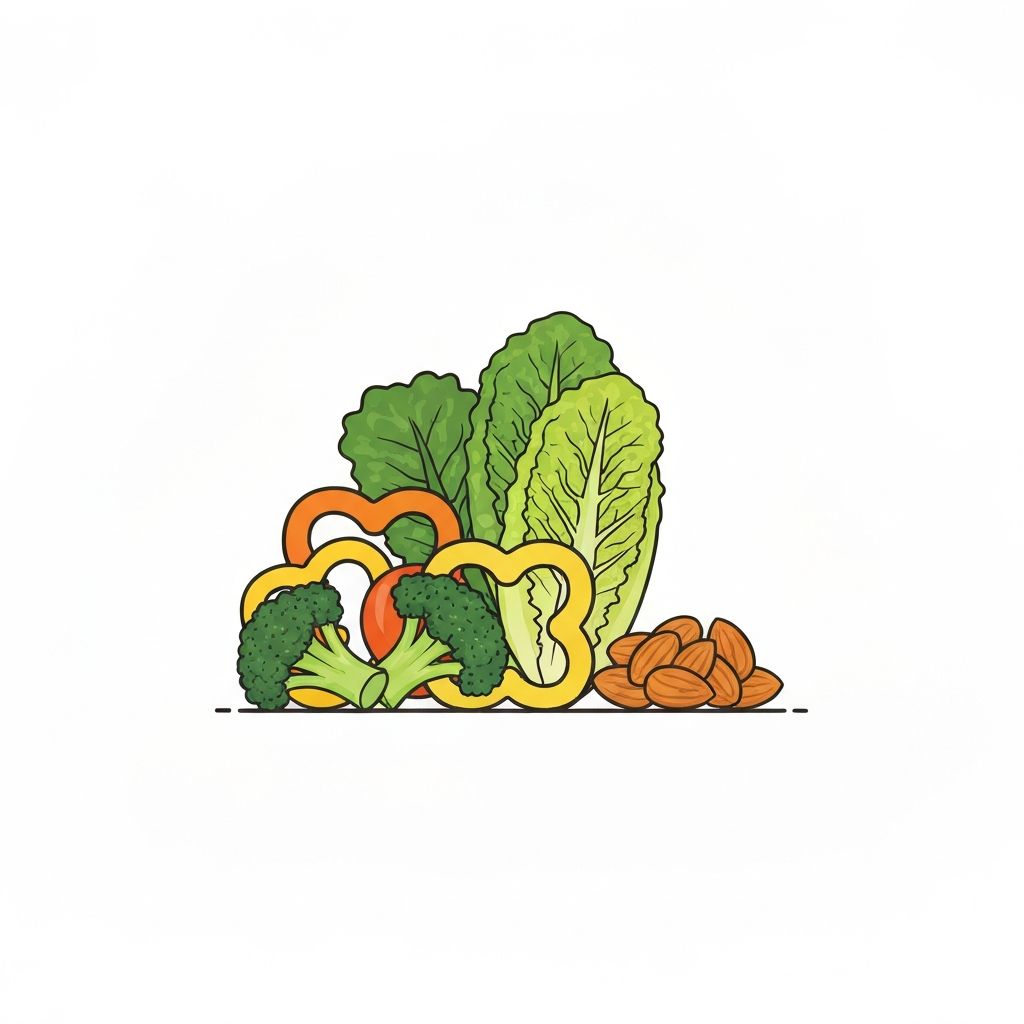
How Water and Fibre Determine Energy Density
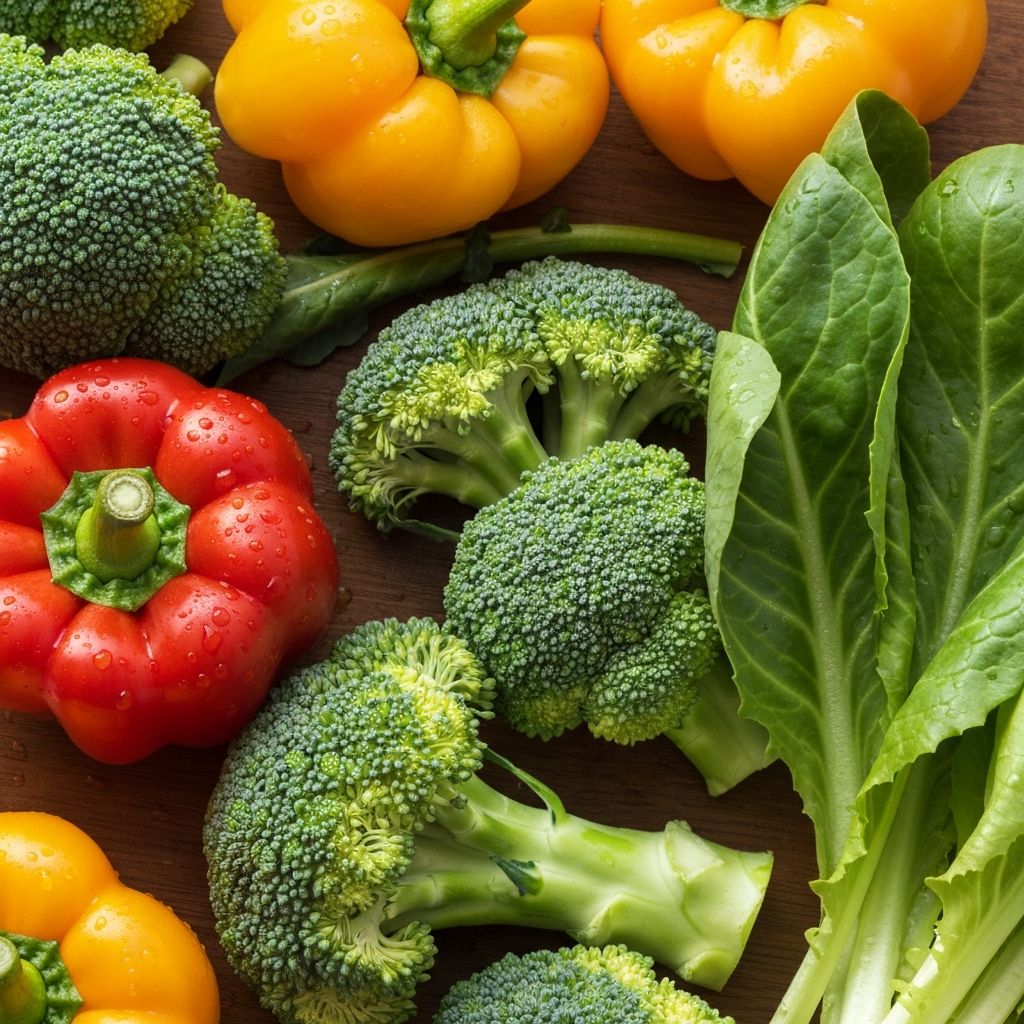
Water Content and Energy Density
Water is the dominant factor determining energy density for many foods. Since water contains zero calories while adding significant weight and volume, foods with high water content have substantially lower energy density than identical foods with water removed.
Examples of water content in common foods:
- Lettuce: approximately 95% water
- Tomato: approximately 95% water
- Cucumber: approximately 96% water
- Watermelon: approximately 92% water
- Broccoli: approximately 89% water
- Carrot: approximately 88% water
The relationship is nearly linear: a food that is 95% water weighs approximately 5 times more per unit of calories than the same food dried and concentrated. This compositional difference drives massive differences in energy density despite nutritionally similar composition of the remaining matter.
How Fibre Affects Energy Density
Dietary fibre is a type of carbohydrate that differs from digestible carbohydrates in its energy content and physiological effects.
Energy contribution: Fibre provides approximately 2 kcal/g, compared to 4 kcal/g for digestible carbohydrates. This lower energy density means foods high in fibre contribute less total energy per unit weight while adding substantial bulk.
Common high-fibre foods and typical fibre content:
- Beans and lentils: 6–9 g fibre per 100 g
- Vegetables (broccoli, Brussels sprouts): 2–4 g fibre per 100 g
- Whole grains: 4–8 g fibre per 100 g
- Raspberries and pears: 5–8 g fibre per 100 g
Combined Effect of Water and Fibre
Most very low energy density foods combine high water content with substantial fibre. For example:
Vegetable soup: Contains 85–95% water (very low caloric density from water), plus dissolved fibre from vegetables, resulting in extreme energy density of approximately 0.25 kcal/g.
Salad greens: Contains 90–95% water with 2–3% fibre, resulting in energy density of approximately 0.15–0.25 kcal/g.
Legume-based dishes: While lower in water than raw vegetables, legumes combine 60–70% water with 6–9% fibre, resulting in moderate energy density of approximately 0.5–1.0 kcal/g despite caloric density in dry form.
Contrast with High-Energy-Density Foods
Foods with high energy density typically have very different compositional profiles:
Oils and fats: 0% water, high fat (9 kcal/g), resulting in energy density of approximately 8.8–9.0 kcal/g—the highest possible for food substances.
Nuts and seeds: 3–10% water, high fat (9 kcal/g), resulting in energy density of approximately 5.5–6.0 kcal/g.
Dried fruits: 10–30% water (compared to 85–92% in fresh fruits), similar carbohydrate composition as fresh fruit, resulting in 3–4 times higher energy density than fresh equivalents.
Practical Implications
The compositional factors determining energy density have direct relationships to meal volume:
- A meal of 500 calories of leafy greens (energy density 0.2 kcal/g) occupies approximately 2,500 grams (2.5 kg)—a large volume that fills the stomach substantially
- A meal of 500 calories of nuts (energy density 5.8 kcal/g) occupies approximately 86 grams—a small handful that occupies minimal stomach space
This volume difference occurs purely from compositional differences in water and fat content, independent of protein or carbohydrate composition.