Higher Energy Density Foods Comparison
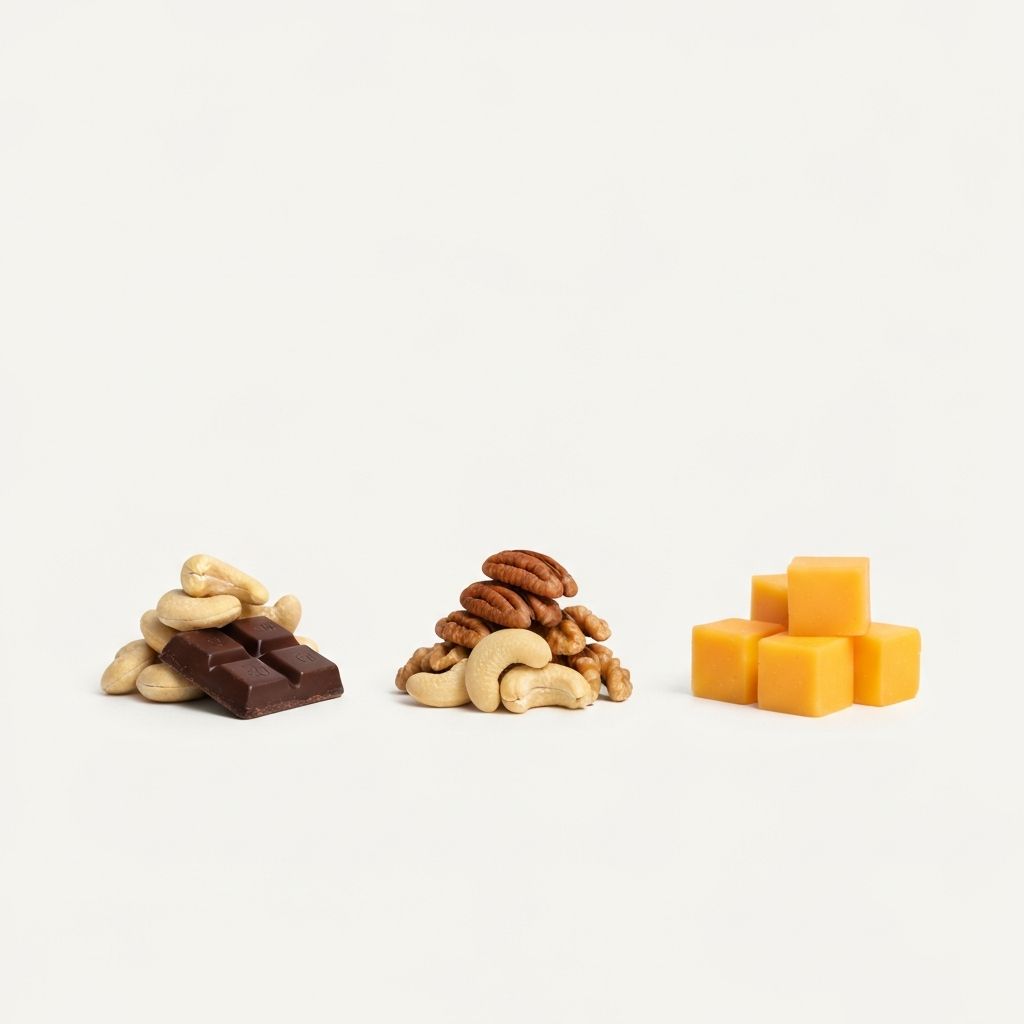
Understanding High Energy Density
Higher energy-density foods contain 3.0–9.0 kcal/g or more. These foods provide substantial calories in minimal volume, typically due to high fat content or minimal water content. Small portions contain significant energy.
Oils and Pure Fats
Energy density: approximately 8.8–9.0 kcal/g
Examples: Olive oil, vegetable oil, butter, coconut oil, lard
Composition: 0% water (approximately 100% fat for oils), minimal fibre
Characteristics: Highest possible energy density for food substances. One tablespoon (15 mL or 14 g) of oil provides approximately 120 kcal. Small volume addition to foods dramatically increases meal energy density.
Nuts and Seeds
Energy density: approximately 5.5–6.5 kcal/g
Examples: Almonds, walnuts, peanuts, sunflower seeds, pumpkin seeds, cashews
Composition: 3–10% water, 10–25% fibre, 45–70% fat, 10–20% protein
Characteristics: High fat content drives energy density despite fibre presence. A 30 g serving (small handful) contains approximately 160–200 kcal. Low water content maintains extreme density relative to apparent volume in shell or kernel form.
Chocolate and Candy
Energy density: approximately 5.0–6.0 kcal/g
Examples: Dark chocolate, milk chocolate, candy, confections
Composition: 1–5% water, 50–65% fat, 35–50% carbohydrates
Characteristics: High fat and concentrated sugar content with minimal water. A 30 g chocolate square provides approximately 150–180 kcal. Compact form delivers substantial energy in small volume.
Processed Snacks
Energy density: approximately 4.5–6.0 kcal/g
Examples: Potato chips, crisps, pastries, cookies, crackers
Composition: 1–5% water, 20–40% fat, 50–70% carbohydrates
Characteristics: Added oils, high fat content, minimal water. A 30 g serving typically contains 150–180 kcal. Small volume makes portion awareness challenging.
Fatty Meats
Energy density: approximately 2.5–4.0 kcal/g
Examples: Fatty cuts of beef, pork, lamb, duck, fatty sausage
Composition: 40–55% water, 15–35% fat, 15–25% protein
Characteristics: Fat content drives energy density. A 100 g serving of fatty meat contains approximately 250–350 kcal. Marbling and fat distribution affect density.
Dried Fruits
Energy density: approximately 2.5–3.5 kcal/g
Examples: Raisins, dates, dried cranberries, dried apricots
Composition: 10–30% water (vs. 85–92% in fresh), 50–75% carbohydrates (concentrated)
Characteristics: Water removal concentrates carbohydrate content, dramatically increasing energy density compared to fresh equivalents. A 30 g serving of raisins contains approximately 85 kcal (compared to approximately 15 kcal for 30 g fresh grapes). Concentrated sweetness and flavor in minimal volume.
Cheese
Energy density: approximately 3.5–4.5 kcal/g
Examples: Cheddar, mozzarella, feta, brie, gouda
Composition: 30–45% water, 25–35% fat, 20–30% protein
Characteristics: Fat and protein content with minimal water. A 30 g serving contains approximately 100–140 kcal. Compact form makes portion assessment difficult.
Nuts Butters
Energy density: approximately 5.8–6.2 kcal/g
Examples: Peanut butter, almond butter, cashew butter
Composition: 1–3% water, 45–55% fat, 10–20% protein, 10–20% carbohydrates
Characteristics: Processed form of nuts with water removed. Two tablespoons (32 g) contain approximately 190 kcal. Small volume makes excess consumption easy.
Granola and Muesli
Energy density: approximately 4.0–5.0 kcal/g
Examples: Granola clusters, muesli mix
Composition: 2–5% water, 15–25% fat (from oils, nuts), 60–75% carbohydrates
Characteristics: Added oils and nuts increase density. A 50 g serving (approximately 0.5 cup) contains approximately 200–250 kcal. Highly concentrated compared to plain oats.
Comparison Table
| Food Category | Energy Density (kcal/g) | Typical Portion |
|---|---|---|
| Oil | 8.8–9.0 | 1 tbsp (14 g, ~120 kcal) |
| Nuts | 5.5–6.5 | 30 g (~170 kcal) |
| Chocolate | 5.0–6.0 | 30 g (~160 kcal) |
| Cheese | 3.5–4.5 | 30 g (~110 kcal) |
| Dried Fruit | 2.5–3.5 | 30 g (~85 kcal) |
Practical Implications
High-energy-density foods deliver substantial calories in minimal volume. This characteristics creates several practical considerations:
- Small portions contain significant energy, making portion awareness important
- Gastric distension from high-energy-density foods is minimal, potentially limiting satiety signals from stomach volume alone
- Rapid consumption is common due to small physical volume, potentially reducing satiation sensory signals
- Small volume changes dramatically affect total meal energy content